Our Manufacturing Process

This step-by-step guide demonstrates our production process with careful control over each stage, ensuring the consistent, reliable, and high-quality filters that customers receive.

Quality Inspections

1. Quality Inspections

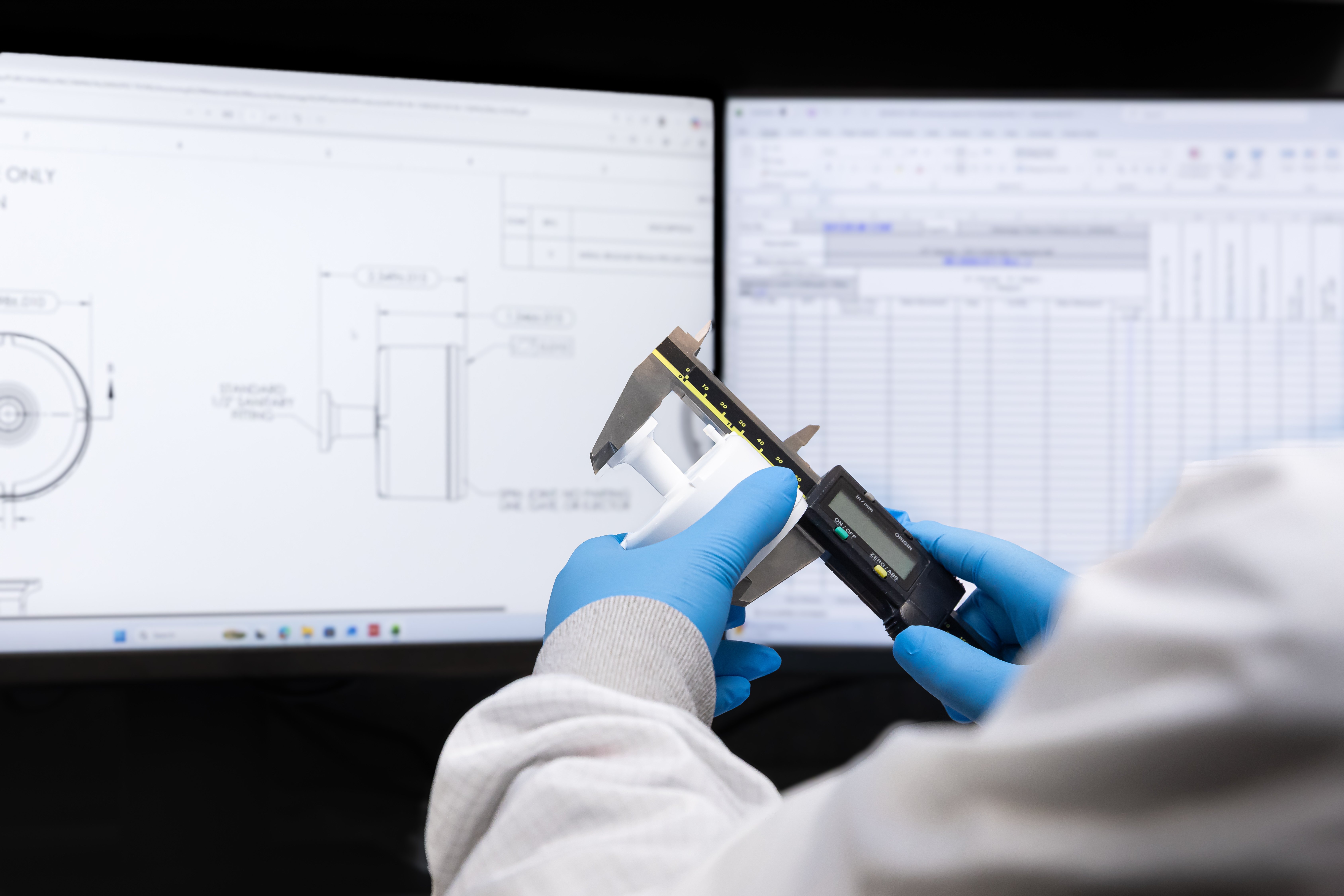
The first step in our production process is quality inspection. Our ISO 9001 quality system ensures that each material, either sourced or produced in-house goes through a stringent inspection process before being released to manufacturing.
Pleating

2. Pleating

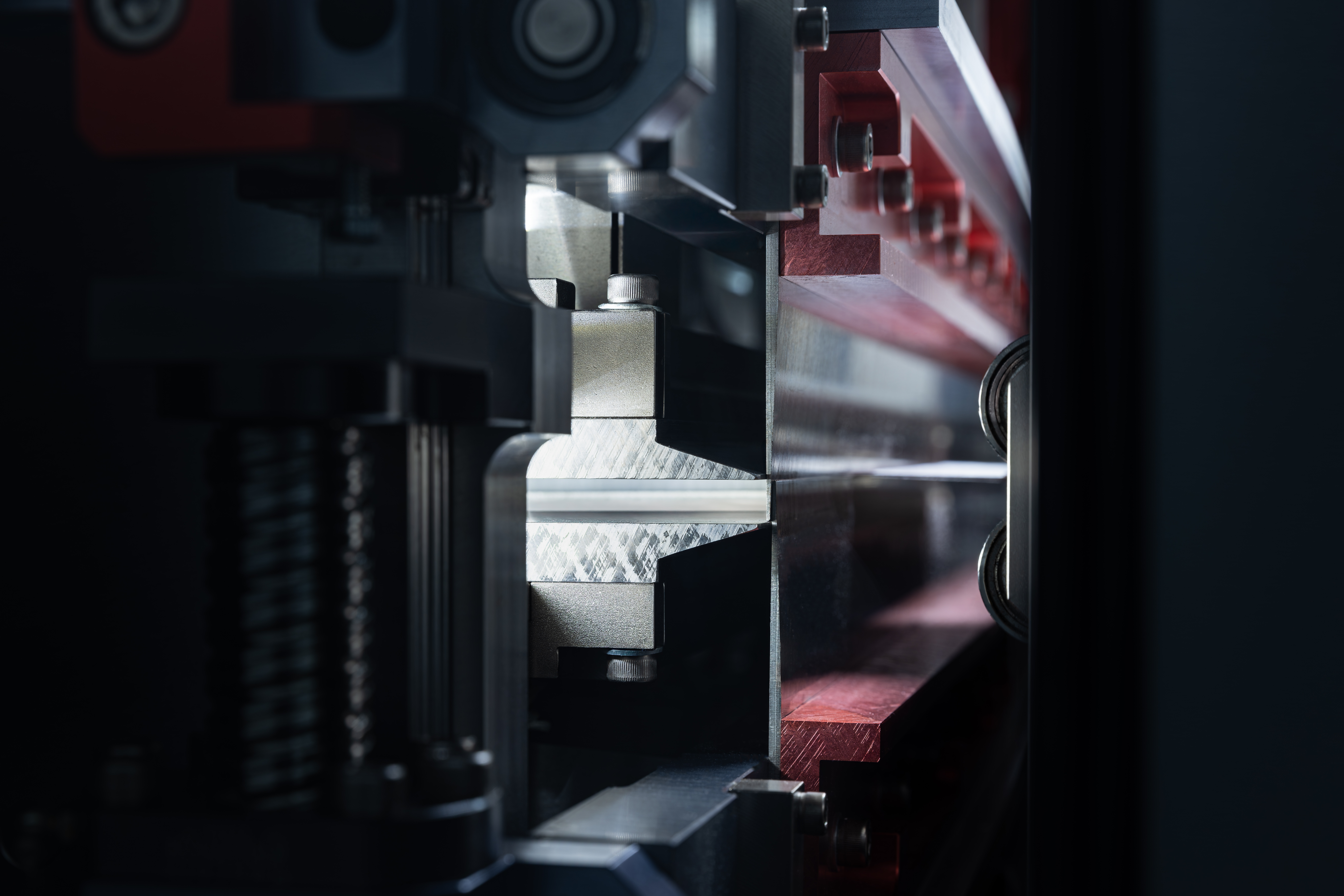
Following quality inspections, material for the specified filter is loaded into a pleating machine, which creates precise, uniform pleats in the membrane. The pleated membrane is then wrapped around a filter core and placed inside an outer cage, forming what is commonly known as a filter cartridge. Each filter is etched with a QR code enclosing the filter's serial number for product traceability.

End Capping

3. End Capping

After pleating, the filters move to the end-capping stage. End caps are attached to seal the filter media inside the outer cage. At this point, the assembled filter is referred to as a module.

New Testing Benches

4. Integrity Testing

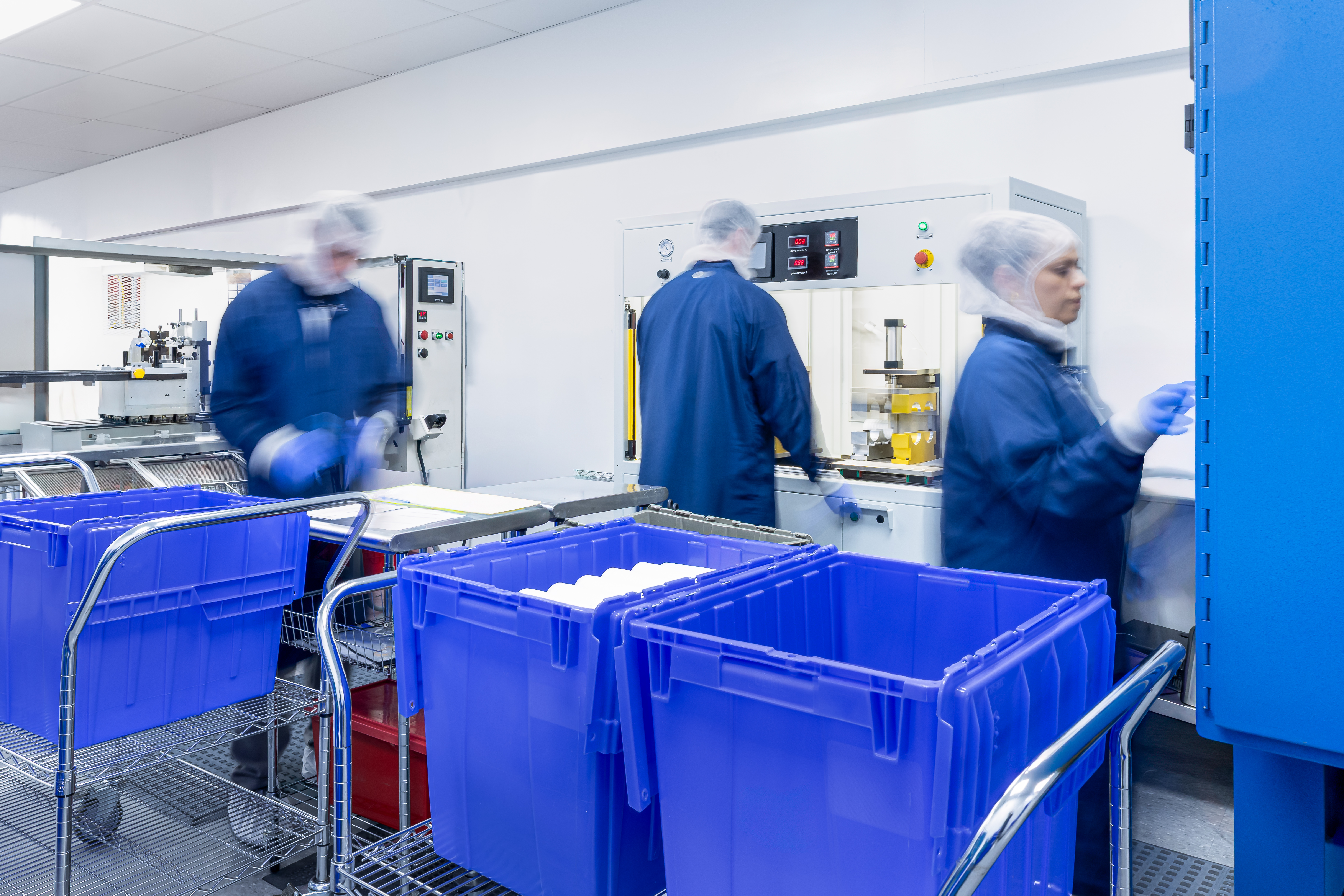
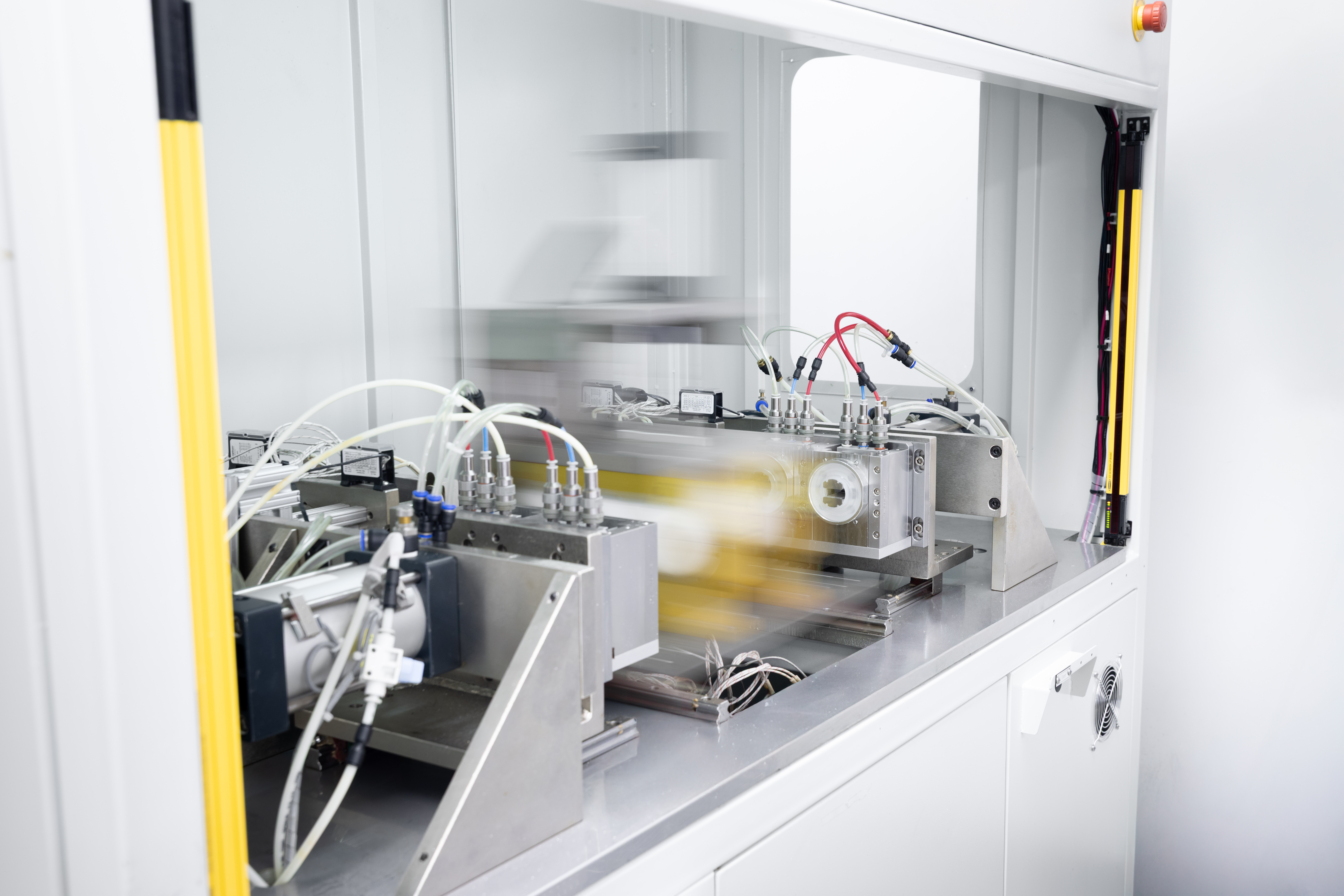
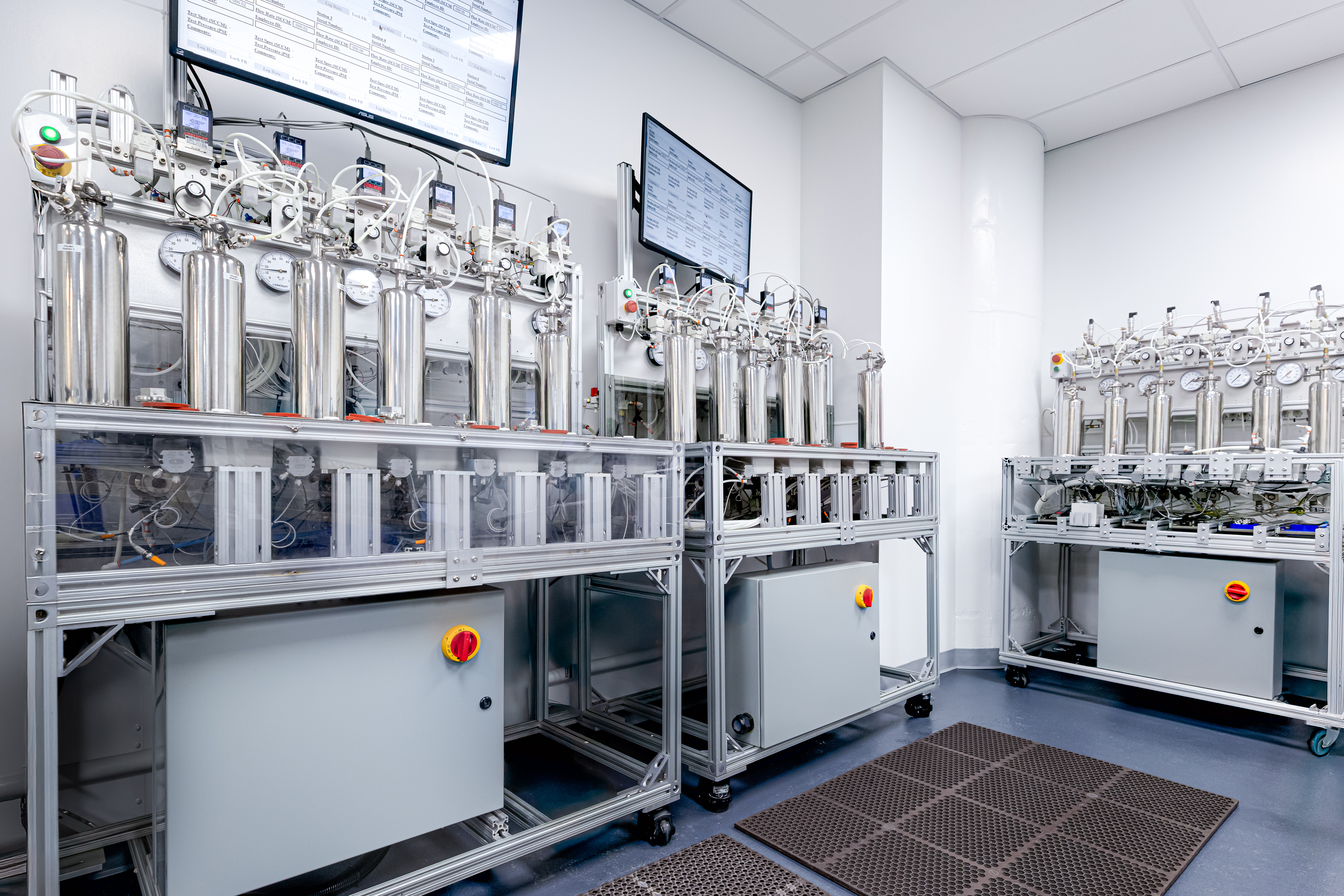
Once end capping is complete, any modules that require integrity testing are sent to the testing room. Depending on the filter design and media, one or more integrity tests are performed on the module before it moves to the final stages of production.

Clean Room

5. Final Assembly

Once filter modules pass integrity testing, they move into final assembly. Here, modules can be stacked to create 20", 30", or 40" cartridges, and end fittings are added based on the specific filter design.

For capsule orders, this is the stage where the filter is sealed inside the capsule housing. Each capsule then undergoes additional pressure testing to verify that there are no imperfections along the capsule seams.

Packaging

6. Packaging

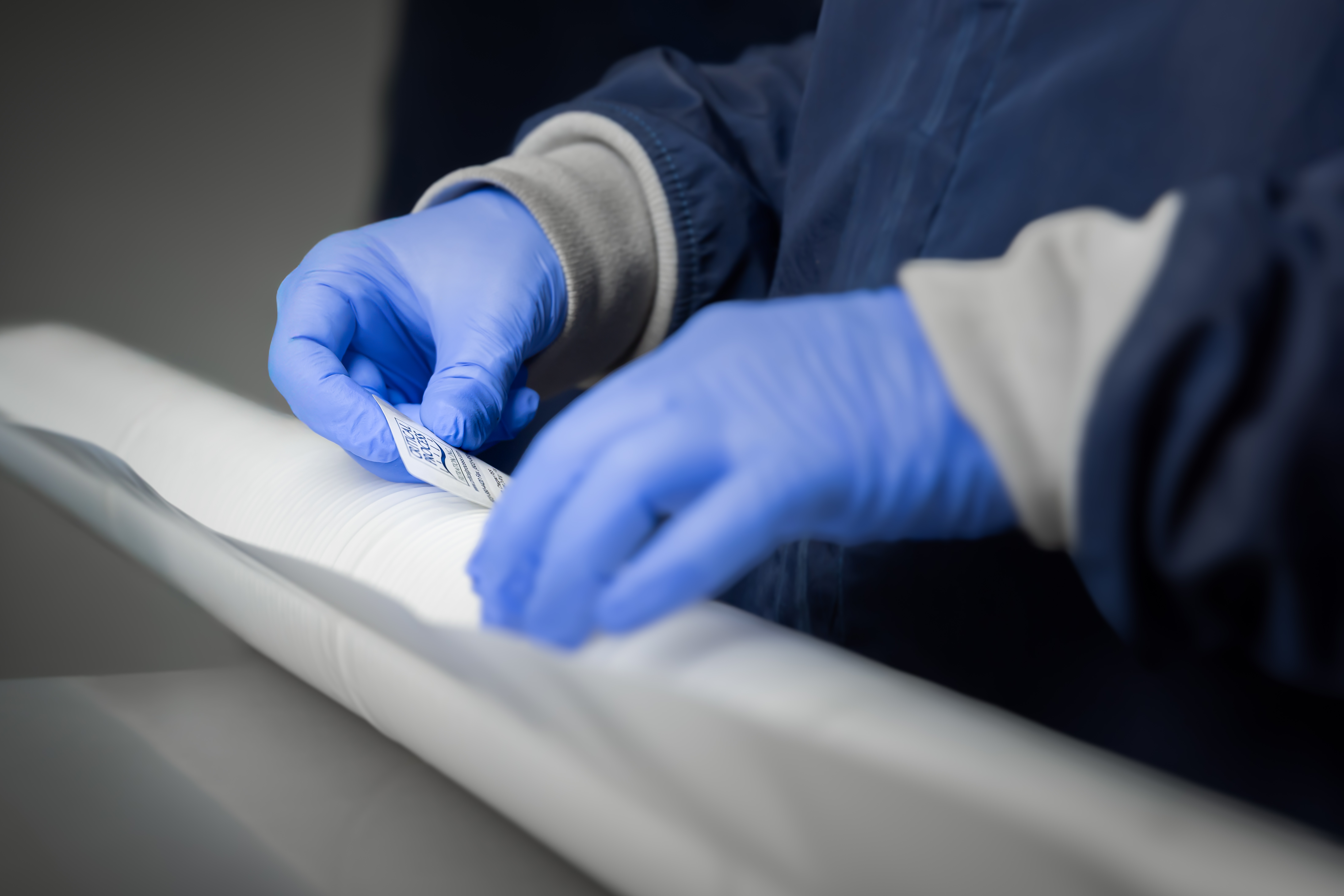
After all testing and final assembly are complete, the filters move to packaging. In a cleanroom environment, each filter is sealed in an individual, air-tight bag to protect cleanliness and prevent damage during shipping. Cartridges and capsules are then labeled with the filter part number and lot number for full product traceability.

Shipping

7. Shipping

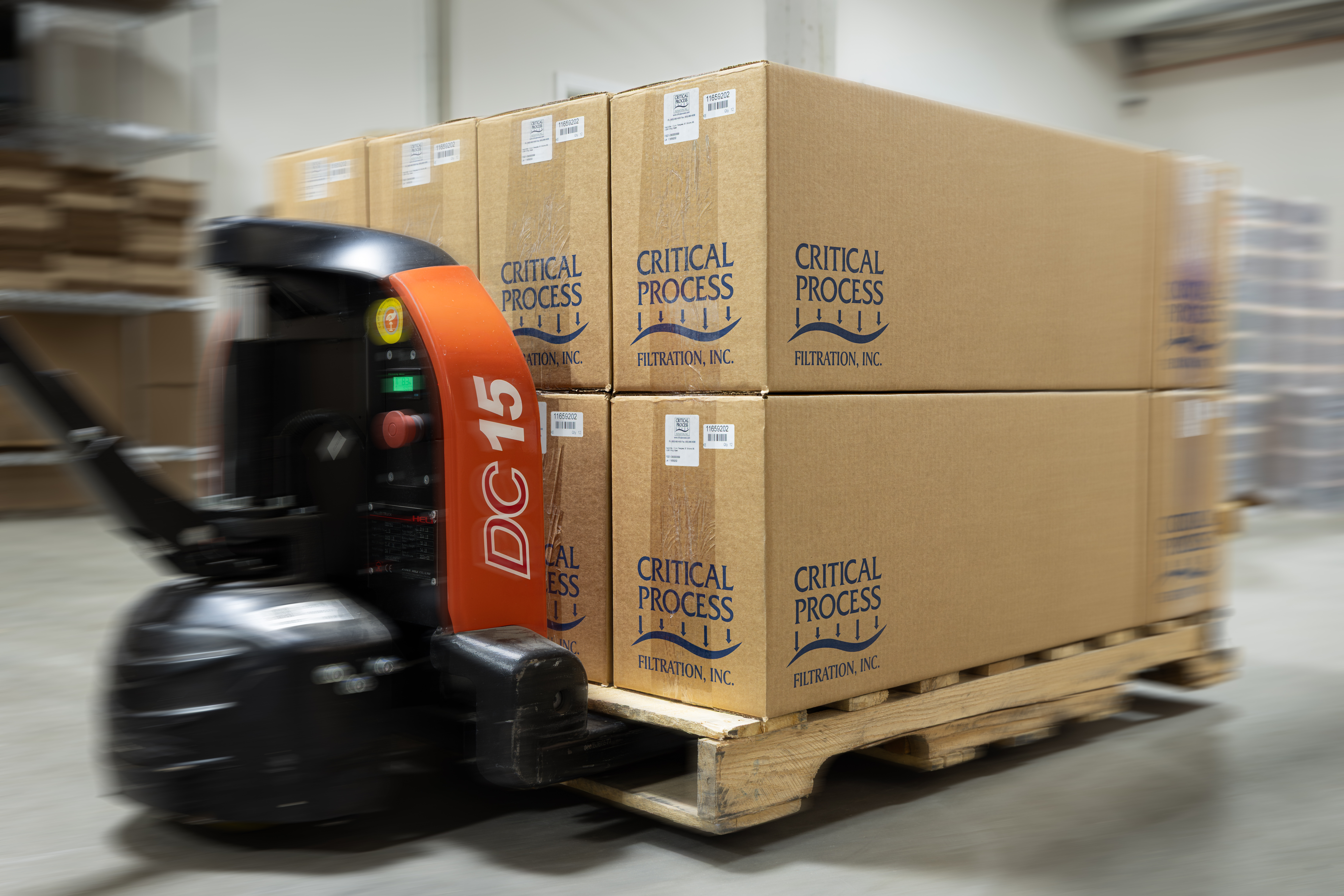
The final step in the filtration manufacturing process is shipping. After being sealed in their own protective bags, they are packed into individual white cartons to help prevent damage during transit. These cartons are grouped into master cases for efficient shipping. Depending on the filter type and the industry it serves, custom packaging options are also available.


Customer Service

8. Continued Support

Once your filters are shipped and received, our support does not stop there. Critical Process Filtration’s customer service and technical support teams are available to help troubleshoot any issues, answer application questions, and assist with reorders so you always have the right filters in place for your application.